Chip iPhone has transformed the mobile landscape, powering devices with unrivaled performance and security. Over the years, Apple’s commitment to innovation in chip technology has not only enhanced the user experience but also set new industry standards. From the early days of the iPhone to the latest advancements, the evolution of these chips is a testament to Apple’s engineering prowess and vision for the future.
As we explore the various generations of iPhone chips, we see how each iteration has brought significant improvements in speed, battery efficiency, and security features. The competition with other chip manufacturers has spurred Apple to push the boundaries, ensuring that every new release delivers exceptional performance, particularly in demanding applications like gaming and augmented reality.
Overview of iPhone Chip Technology

The evolution of iPhone chip technology has significantly transformed the smartphone landscape, showcasing Apple’s relentless pursuit of performance and efficiency. Since the launch of the first iPhone in 2007, Apple’s A-series chips have continuously set benchmarks for speed, power management, and integrated capabilities, influencing both user experience and the competitive dynamics of the mobile industry.
Apple’s chip design journey began with the A4, which marked a shift from traditional CPU manufacturers to custom silicon tailored for specific needs. Each successive generation, from A5 to the current A17, has improved upon its predecessor, enhancing processing power, graphics performance, and energy efficiency. These advancements have not only led to faster app loading times and smoother multitasking but have also enabled complex features such as augmented reality, advanced photography, and machine learning capabilities.
Advancements in Performance, Chip iphone
The performance enhancements brought by Apple’s A-series chips can be observed through several key metrics that define smartphone capabilities. The integration of higher transistor counts, advanced fabrication processes, and specialized cores has resulted in impressive benchmarks across various tasks.
- Transistor Density: Each new A-series chip boasts increased transistor counts, often exceeding 15 billion transistors in the latest models. This allows for more complex computations and better efficiency.
- CPU and GPU Improvements: Apple’s chips have consistently delivered significant boosts in CPU and GPU performance, often outperforming competitors like Qualcomm in both synthetic and real-world tests.
- Energy Efficiency: With each iteration, energy efficiency has been a priority, enabling longer battery life without sacrificing performance.
This relentless focus on performance has culminated in real-world capabilities that not only enhance user experience but also shape how developers approach app design and functionality.
Comparison with Competitor Chips
Apple’s A-series chips are distinctively positioned against competitor offerings such as Qualcomm’s Snapdragon and Samsung’s Exynos. The differences can be categorized into several aspects that highlight Apple’s unique advantages in chip design.
- Architecture: Apple’s chips utilize a unique architecture optimized for their operating system, iOS, allowing for seamless integration and performance optimization.
- Integrated Components: Unlike many competitors, Apple’s chips often integrate various components such as the GPU, AI processing units, and image signal processors on a single chip, enhancing performance and reducing latency.
- Software Optimization: The synergy between hardware and software in Apple’s ecosystem ensures that their chips are finely tuned for the best possible performance, often leading to superior app efficiency and responsiveness.
The holistic approach to chip design and development allows Apple not only to lead in raw performance metrics but also to create a cohesive and optimized user experience that resonates throughout its ecosystem.
Performance Metrics of iPhone Chips

The performance metrics of iPhone chips have evolved significantly with each generation, reflecting advancements in processing capabilities, energy efficiency, and overall user experience. This evolution is crucial not only for enhancing everyday tasks but also for demanding applications such as gaming and professional software. Understanding these metrics provides insight into how Apple’s innovations translate into real-world benefits for users.
Comparative Overview of Performance Metrics
The performance of iPhone chips can be assessed through various metrics including CPU speed, GPU performance, and machine learning capabilities. Each generation shows marked improvements:
- A-series chips: Starting with the A4 chip in the iPhone 4, Apple has consistently pushed the boundaries with each release. The A14 Bionic chip, for example, features a 6-core CPU and a 4-core GPU, significantly outperforming its predecessor, the A13, in both speed and graphics processing.
- Benchmarks: In synthetic benchmarks, the A15 Bionic chip scored over 1700 in single-core tests and nearly 4600 in multi-core tests, showcasing a 50% increase in performance compared to the A13. This leap is crucial for processing-intensive applications.
- AI and Machine Learning: The introduction of dedicated neural processing units (NPUs) in chips like the A12 and A15 marks a shift toward enhanced AI capabilities, enabling advanced features such as real-time photo processing and smarter Siri interactions.
Influence of Chip Architecture on Battery Life and Efficiency
The architecture of iPhone chips plays a pivotal role in determining battery life and overall energy efficiency. With each iteration, Apple has aimed for a balance between power and performance.
- 5nm Technology: The A14 and A15 chips utilize a 5nm process, which not only increases transistor density but also reduces power consumption by up to 30% compared to previous generations.
- Dynamic Power Management: Advanced power management features allow the chips to dynamically adjust performance based on usage, ensuring that battery life is optimized during less demanding tasks while providing full power when needed.
- Battery Life Improvements: The A15 Bionic provides up to 2.5 hours more battery life than the A14, showing a clear trend of efficiency alongside increased performance.
Role of Processing Power in Gaming and Heavy Applications
Processing power in iPhone chips directly correlates with the performance of gaming and resource-intensive applications. As mobile gaming becomes increasingly sophisticated, the demands on chips have escalated.
- Gaming Performance: The A15 chip’s 4-core GPU delivers up to 50% faster graphics performance compared to the A14, making it highly capable of running graphically intense games like “Genshin Impact” or “Call of Duty Mobile” smoothly.
- Real-time Rendering: The enhanced processing capabilities facilitate complex rendering tasks, allowing for realistic graphics and smoother animations, which are vital for immersive gaming experiences.
- Heavy Applications: Beyond gaming, applications requiring significant processing power, such as video editing software and 3D modeling tools, benefit from the robust architecture of the latest iPhone chips, providing users with professional-grade tools in a compact device.
Security Features in iPhone Chips: Chip Iphone
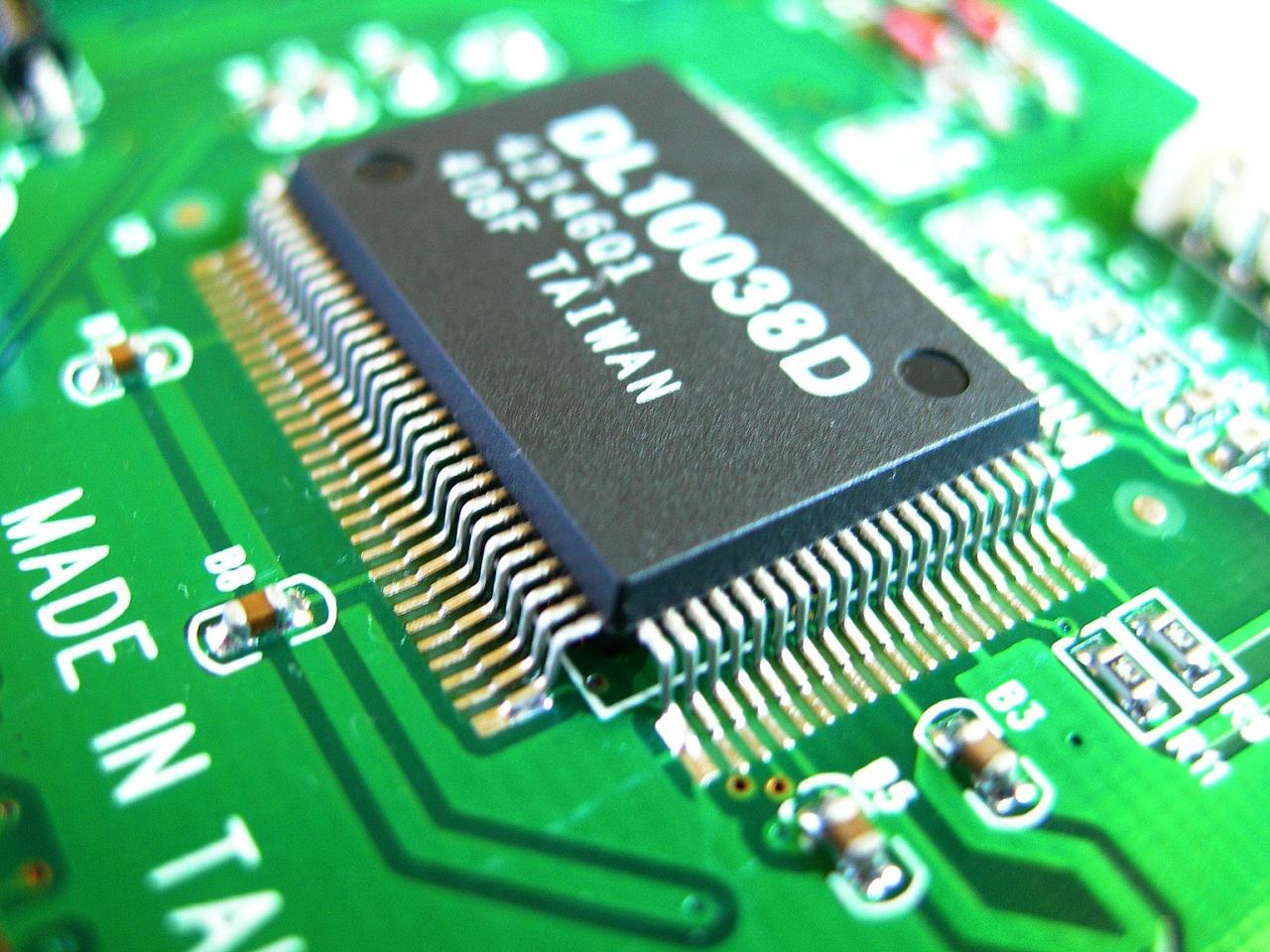
The evolution of iPhone chips has consistently prioritized security, ensuring that user data remains protected from various threats. Each new iteration of Apple’s A-series chips has introduced enhancements that fortify the device against unauthorized access and malware, thereby safeguarding personal information stored on the device.
The importance of security in mobile technology cannot be overstated, and Apple has taken significant steps to make their iPhones resilient against breaches. At the heart of this commitment is the Secure Enclave, a dedicated component within the chip architecture designed exclusively for handling sensitive information.
Enhancements with Each New iPhone Chip
Apple’s consistent innovation in chip design has introduced a variety of security features over the years. The advancements can be categorized as follows:
- A7 Chip: The introduction of the A7 chip marked the first 64-bit architecture in smartphones, paving the way for enhanced encryption and security protocols.
- A8 Chip: The A8 enhanced the Secure Enclave’s capabilities, enabling more robust encryption methods for health and payment data.
- A9 Chip: With the A9, Apple improved the processing speed of the Secure Enclave, allowing for real-time biometric data processing which strengthened device unlock features.
- A10 Fusion: This chip brought advanced machine learning capabilities, enhancing the detection of anomalous behavior that could indicate security threats.
- A11 Bionic: The A11 integrated a more powerful Secure Enclave that supports additional biometric authentication methods, including facial recognition.
- A12 Bionic and beyond: Subsequent chips have introduced features like on-device AI for threat detection and real-time encryption practices that continuously assess potential security risks.
Significance of the Secure Enclave
The Secure Enclave is a critical component of iPhone security. It operates as a separate processor within the chip, thereby maintaining a secure environment for sensitive operations. This isolation ensures that even if the main operating system is compromised, the Secure Enclave remains protected.
The Secure Enclave serves multiple functions:
- Data Protection: It encrypts sensitive data such as passwords and payment information, which are only accessible to the Secure Enclave.
- Biometric Security: It processes Touch ID and Face ID data, ensuring that biometric information is never exposed to the main operating system or third-party apps.
- Secure Boot Process: It verifies the integrity of the device’s operating system during boot-up, helping to prevent unauthorized modifications.
- Secure Key Management: The Secure Enclave generates and manages cryptographic keys, which are essential for securing communications and protecting user data.
Contribution to Device Security Against Malware
iPhone chips are designed with robust features that actively contribute to overall device security and protection against malware. The architecture of these chips includes several layers of security mechanisms.
The following aspects highlight how iPhone chips defend against malware threats:
- Sandboxing: Apps are run in a sandboxed environment, preventing them from accessing sensitive data from other apps or the system.
- Regular Security Updates: Apple frequently releases updates to address vulnerabilities, ensuring that users have the latest security features at their disposal.
- App Store Review Process: Apps are rigorously vetted before being available on the App Store, reducing the likelihood of harmful software being installed.
- Hardware-Based Security: Features like System Integrity Protection and Hardware Randomization make it difficult for malicious software to operate effectively.
Apple’s ongoing commitment to security through its iPhone chips not only protects user information but also builds consumer trust in the brand. By prioritizing security, Apple has established a standard that many other manufacturers strive to emulate.
Future Trends in iPhone Chip Development
As Apple continues to shape the future of mobile technology, the development of iPhone chips is poised for transformative advancements. With each iteration, the performance, efficiency, and functionality of these chips have evolved significantly, setting new benchmarks in the smartphone industry. The focus now shifts toward emerging technologies and innovations that are expected to influence the next generation of iPhone chips, promising enhanced user experiences and groundbreaking capabilities.
The future of iPhone chip technology is likely to be marked by several key advancements that could redefine mobile computing. These advancements encompass improvements in processing speeds, energy efficiency, AI integration, and enhanced security features to meet the demands of an increasingly interconnected world. Below is a speculative roadmap outlining potential developments in iPhone chip technology over the coming years.
Speculative Roadmap for Next Generation of iPhone Chips
The forthcoming generations of iPhone chips may follow a structured development timeline, incorporating various technological breakthroughs. This roadmap highlights notable milestones and expected features:
- 2024: Introduction of 3nm Process Technology – The shift to a 3nm fabrication process is anticipated to significantly boost performance while reducing power consumption. This advancement is expected to enable smaller chips that operate more efficiently, resulting in longer battery life and improved thermal management.
- 2025: Enhanced Neural Processing Units (NPUs) – With the growing importance of AI and machine learning, the integration of more powerful NPUs is projected. These chips will enhance capabilities in real-time image processing, natural language processing, and personalized user experiences, setting a new standard for on-device AI functions.
- 2026: Advanced Security Features – Future iPhone chips are expected to incorporate advanced hardware-level security protocols to protect user data. Features such as secure enclaves and improved encryption algorithms will ensure that user information remains secure, addressing growing concerns over privacy.
- 2027: Integration of Quantum Computing Elements – Speculatively, Apple may begin to explore the integration of quantum computing principles to further enhance processing capabilities, allowing for complex computations beyond the reach of traditional silicon-based technologies.
The implications of these advancements are significant, particularly in relation to the integration of AI and machine learning in chip design. The convergence of these technologies is expected to shape the future landscape of iPhone capabilities, enhancing user experiences in unprecedented ways.
Implications of AI and Machine Learning on Chip Design
The integration of AI and machine learning into chip design is set to revolutionize how iPhone chips are developed and optimized. By leveraging AI, Apple can create chips that not only perform tasks more efficiently but also adapt to user behavior and preferences over time. The implications of this trend include:
- Dynamic Performance Management – Chips can utilize machine learning algorithms to analyze usage patterns and dynamically adjust processing power, improving efficiency and battery life while ensuring that performance meets user demands.
- Improved Image and Video Processing – AI-driven enhancements in image processing will result in higher-quality photos and videos, with features like real-time scene recognition and optimized settings automatically applied based on the environment.
- Personalized User Experiences – Machine learning can enable chips to learn individual user habits, allowing for a more tailored experience, such as predictive text, custom app suggestions, and seamless multitasking capabilities.
- Enhanced Security Protocols – AI can play a pivotal role in developing advanced security measures, such as anomaly detection systems that can identify and mitigate potential threats before they impact user data.
The future trends in iPhone chip development point toward a landscape filled with possibilities, where performance meets personalization, and security is paramount, ultimately leading to a more sophisticated and efficient mobile experience.
Answers to Common Questions
What is the latest chip used in the iPhone?
The latest chip used in the iPhone is the A16 Bionic, featured in the iPhone 14 Pro models.
How do iPhone chips compare to Android chips?
iPhone chips, particularly Apple’s A-series, often outperform Android chips in terms of efficiency and integration with the iOS ecosystem.
What role does the Secure Enclave play in iPhone security?
The Secure Enclave is a dedicated security coprocessor that handles sensitive data, enhancing protection against unauthorized access and malware.
Are iPhone chips upgradeable?
No, iPhone chips are not upgradeable; they are integrated into the device’s motherboard and cannot be replaced or modified.
Will future iPhone chips support 5G technology?
Yes, future iPhone chips are expected to continue supporting and enhancing 5G technology for improved connectivity.
If you’re on the hunt for the latest deals, the current promotion iphone offers some fantastic options for upgrading your device. With its cutting-edge features and sleek design, it’s hard to resist the allure of Apple’s flagship. Whether you’re looking to enhance your photography or increase productivity, these promotions make it an ideal time to invest in an iPhone.
Meanwhile, tech enthusiasts have their eyes set on the samsung galaxy s11 which promises to deliver an extraordinary experience with its advanced camera capabilities and stunning display. As more details emerge, it’s clear that Samsung is raising the bar, making this model a strong contender for anyone looking to elevate their smartphone game.