samsung galaxy note 7 sets the stage for this enthralling narrative, offering readers a glimpse into a story that is rich in detail and brimming with originality from the outset. This flagship device from Samsung, released in 2016, showcased impressive features such as a stunning display, an innovative S Pen, and robust performance capabilities, making it a sought-after choice for tech enthusiasts. However, its journey was marred by safety concerns and recalls that significantly impacted its reputation, leaving a lasting impression in the smartphone industry.
Features of the Samsung Galaxy Note 7
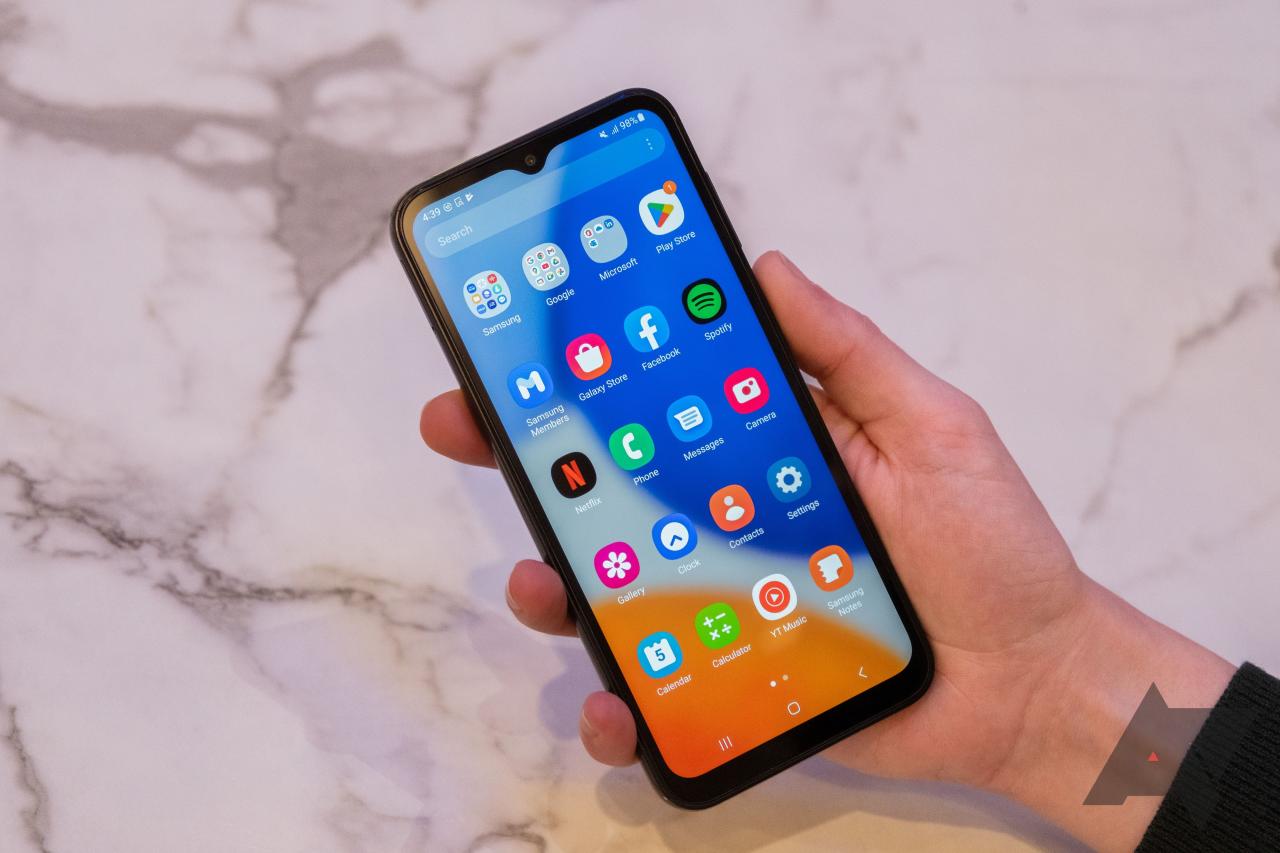
The Samsung Galaxy Note 7 was designed to be a powerhouse of productivity and creativity, appealing to both tech enthusiasts and professionals alike. With a blend of cutting-edge specifications, a stunning design, and the versatility of the S Pen, this smartphone set a high standard for its successors.
One of the standout aspects of the Galaxy Note 7 is its design and display. Samsung introduced a sleek body with a glass front and back, curving at the edges, which not only enhances grip but also gives it a visually striking appearance. The device boasts a 5.7-inch Quad HD Super AMOLED display, providing vibrant colors and deep contrast. With a resolution of 1440 x 2560 pixels, the screen offers exceptional clarity, making it ideal for both multimedia consumption and productivity tasks.
Design Elements and Screen Specifications
The design of the Galaxy Note 7 combines elegance with functionality. Its dimensions of 153.5 x 73.9 x 7.9 mm make it comfortable to hold, while still providing enough screen real estate for immersive experiences. The screen features Corning Gorilla Glass 5, which offers enhanced durability against scratches and drops.
The Super AMOLED technology utilized in the display not only boosts color accuracy but also supports HDR10, allowing for an expanded range of colors and brightness levels. This feature is particularly beneficial for watching videos and playing games, as it presents visuals in a more realistic manner.
S Pen Capabilities and Productivity Tools
The S Pen is an iconic feature that sets the Note series apart. The Note 7’s S Pen offers an array of unique functionalities that enhance productivity and creativity. With a finer tip and improved pressure sensitivity, users can write or draw with precision, closely mimicking the feel of pen on paper.
This device incorporates software enhancements that allow users to create quick memos, annotate PDFs, and even translate text by simply hovering the S Pen over words. Additionally, the Screen Off Memo feature enables users to jot down notes without having to unlock the device, making it incredibly convenient for quick thoughts or reminders.
The S Pen’s Air Command feature provides a suite of tools that can be easily accessed with a simple click of the pen’s button. Among these tools, users can capture screenshots, create GIFs, and access Smart Select, which allows for easy clipping of content from any source.
In summary, the Samsung Galaxy Note 7 offers a compelling combination of design, display, and productivity tools, making it a versatile choice for those seeking a smartphone that excels in both work and play.
Battery and Performance Overview: Samsung Galaxy Note 7
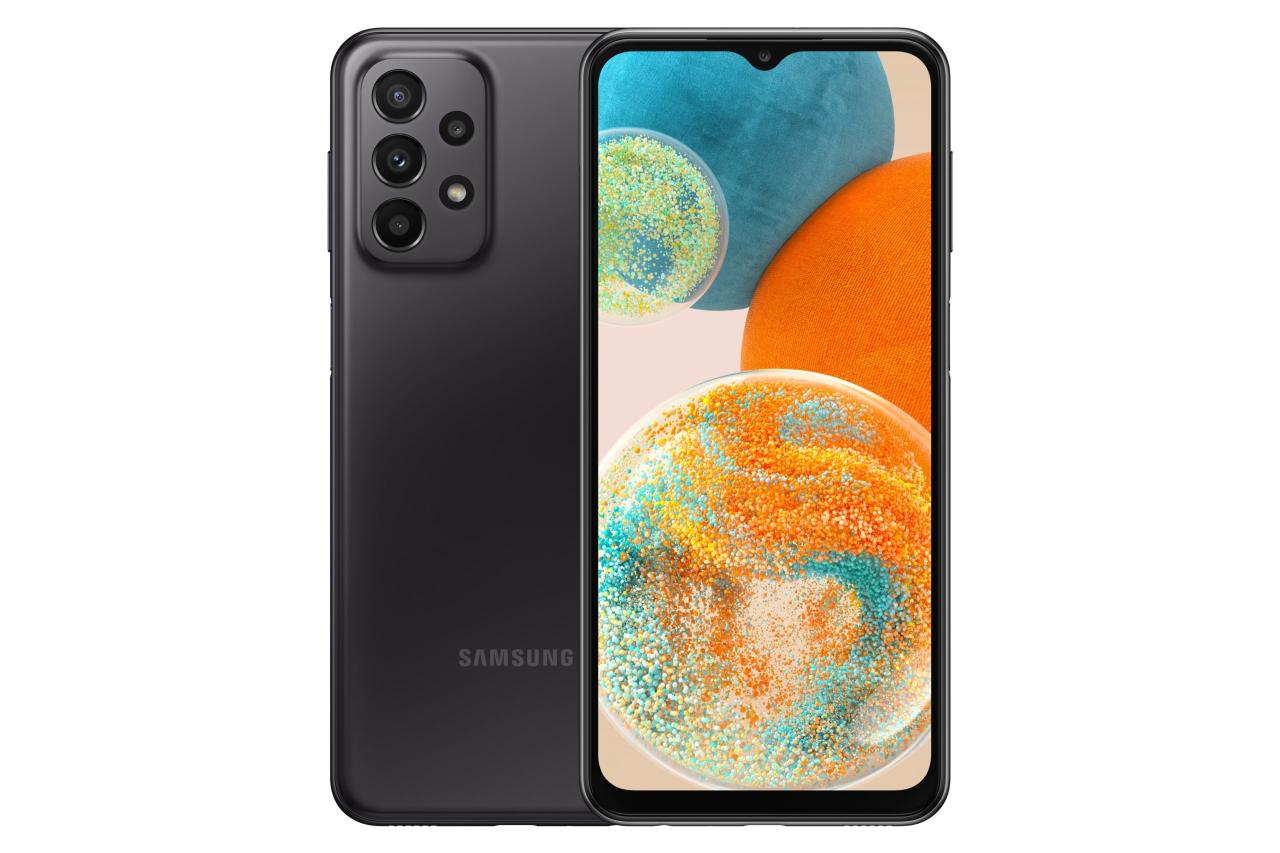
The Samsung Galaxy Note 7 aimed to deliver a powerful performance combined with an efficient battery design, making it a formidable competitor among flagship smartphones of 2016. This section delves into the nuances of battery performance, charging technology, and the overall processing capabilities of the device, providing insights into how it stood out in its class.
Battery Performance and Charging Technology
The Samsung Galaxy Note 7 was equipped with a 3,500 mAh battery, a size that balanced usability with power efficiency. Notably, the device implemented fast charging technology using both wired and wireless methods. Wired charging utilized Adaptive Fast Charging, allowing users to recharge up to 100% in approximately 100 minutes. This technology catered to the fast-paced lifestyles of users who required their devices to be ready at a moment’s notice.
Wireless charging capabilities also supported both WPC and PMA standards, providing versatility for users who preferred cable-free solutions. However, the most significant feature was the inclusion of a USB Type-C port, which facilitated faster data transfer rates and enhanced convenience.
“The Note 7’s advanced battery technology was designed not only for longevity but also for speed.”
Processing Speed and RAM Specifications
In terms of processing power, the Samsung Galaxy Note 7 did not disappoint. It featured either the Qualcomm Snapdragon 820 or Samsung’s own Exynos 8890 processor, depending on the region, both of which were among the top-performing chips of 2016. The device also boasted 4 GB of RAM, which was standard for flagship models at the time.
When compared to competitors like the iPhone 7 and Google Pixel, which were released in the same year, the Note 7 held its ground. For instance:
- The iPhone 7 utilized Apple’s A10 Fusion chip, which provided exceptional performance, especially in graphics-intensive tasks.
- The Google Pixel was powered by a Snapdragon 821 processor, slightly more advanced than the Note 7’s Snapdragon 820.
Despite the minor variations in processing capabilities, the real-world performance of the Note 7 in multitasking, gaming, and application loading was commendable.
User-Reported Performance Issues
While the Galaxy Note 7 was generally praised for its performance, some users did report issues related to battery overheating and swelling. These concerns were serious enough to prompt a global recall of the device shortly after its launch. Samsung responded decisively by implementing a replacement program and conducting extensive safety checks on the devices. The company also provided updates to its battery management software, helping to stabilize performance and enhance user confidence.
Through these measures, Samsung aimed to restore trust and ensure a safer user experience, reflecting the brand’s commitment to quality and consumer safety.
“The swift response to performance issues highlighted Samsung’s dedication to accountability and customer satisfaction.”
Safety Concerns and Recalls
The Samsung Galaxy Note 7, once heralded as a triumph of smartphone innovation, became marred by significant safety concerns that led to one of the most notorious product recalls in tech history. The series of events surrounding the Note 7’s battery issues not only affected consumers but also had far-reaching implications for Samsung’s reputation and market positioning. Understanding this timeline helps to grasp the extensive measures taken by the company to regain consumer trust.
Timeline of Events Leading to the Recall
The journey of the Galaxy Note 7 from launch to recall was swift and chaotic. The device was launched in August 2016, quickly gaining positive reviews for its features. However, reports of battery fires began to surface shortly after. By September 2016, Samsung announced a voluntary recall of 2.5 million units, indicating that faulty batteries were the cause of overheating. Despite efforts to replace defective units, incidents continued, prompting Samsung to issue a second recall in October 2016, which ultimately led to the discontinuation of the Note 7 entirely. This rapid sequence of events highlighted the severity of the safety issues involved.
Safety Measures Implemented by Samsung Post-Recall
Following the Note 7 fiasco, Samsung undertook extensive measures to enhance product safety and restore consumer confidence. The company launched an internal investigation and partnered with third-party organizations to analyze the battery issues comprehensively. In addition, Samsung implemented a rigorous eight-point battery safety check, which included:
- Battery cell design assessment
- Battery performance testing
- Visual inspection
- Accelerated usage testing
- Extreme temperature testing
- Overcharge tests
- Durability testing
- Overall device safety assessment
These proactive measures were aimed at preventing similar incidents in future devices and underlined Samsung’s commitment to prioritizing user safety.
Impact of the Recall on Samsung’s Brand Reputation and Market Share
The Galaxy Note 7 recall significantly impacted Samsung’s brand reputation and market share. Initially, the recall caused a substantial drop in consumer trust, leading to a notable decrease in sales. According to reports, Samsung’s market share in the premium smartphone segment fell sharply during the crisis. However, post-recall strategies, including the successful launch of the Galaxy S8, helped to rebuild consumer trust. Samsung’s investment in safety measures and transparent communication with consumers played a crucial role in regaining its standing in the market. The incident also served as a stark reminder of the importance of quality control in the tech industry, influencing practices across the sector.
User Experience and Customer Feedback
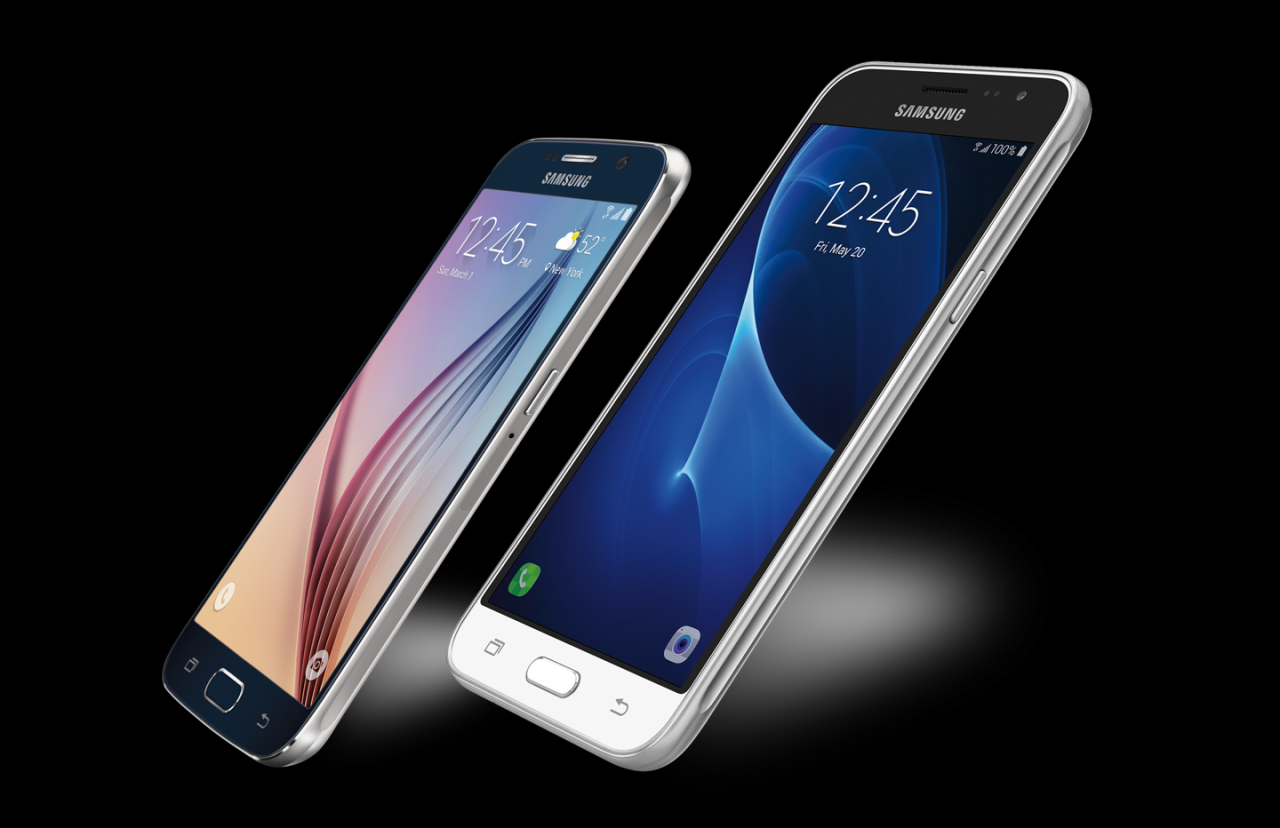
The Samsung Galaxy Note 7, despite its controversies, garnered significant user attention and feedback during its brief time on the market. The smartphone was equipped with advanced features that appealed to a broad audience, but it faced challenges that ultimately affected its reputation. Collecting user reviews offers valuable insights into the strengths and weaknesses that defined the customer experience.
The overall feedback from users highlighted a mix of admiration for the device’s design and functionality, alongside serious concerns stemming from safety issues. Many users praised the Galaxy Note 7 for its vibrant display, powerful performance, and innovative features like the S Pen. However, the battery recall and safety incidents overshadowed these positives, leading to a significant impact on customer satisfaction and trust.
Strengths and Weaknesses from User Reviews
User reviews consistently pointed out the following strengths and weaknesses of the Galaxy Note 7:
Strengths:
- Stunning Display: Users frequently commended the Super AMOLED display, which offered vivid colors and excellent brightness, making it ideal for media consumption.
- Camera Quality: The camera performance received high marks, with users noting its capability in low-light conditions and the inclusion of innovative features like dual-pixel autofocus.
- S Pen Features: The S Pen was a highlight for many, praised for its precision and the range of functionalities that enhanced productivity.
- Performance: With the Snapdragon 820 or Exynos 8890 processor, users found the phone to be exceptionally fast and efficient, handling multitasking with ease.
Weaknesses:
- Battery Issues: The most significant concern was the battery, which led to recalls and a loss of consumer trust due to safety risks associated with overheating.
- Software Issues: Some users reported bugs and glitches, particularly in early software versions, which affected the overall experience.
- Price Point: The high launch price was a barrier for some potential buyers, leading to mixed feelings regarding value for money.
Feedback on Software Updates and User Interface Changes, Samsung galaxy note 7
Over its short lifespan, the Galaxy Note 7 received various software updates aimed at enhancing user experience and addressing initial concerns. Users noted the importance of these updates in improving stability and performance. Samsung was proactive in rolling out security patches and software enhancements, which included:
- Improved battery management features to optimize performance and address overheating issues.
- Refinements to the user interface, making it more intuitive and user-friendly.
- Regular updates that aimed to enhance camera performance and introduce new features.
User feedback during this time emphasized that while updates were appreciated, the earlier issues had already influenced user trust and satisfaction negatively. Many consumers expressed concerns about the company’s ability to prevent future occurrences of similar issues, leading to a heightened scrutiny of subsequent releases.
Influence on User Expectations in Subsequent Smartphone Releases
The experience surrounding the Galaxy Note 7 has significantly shaped user expectations for future smartphones. Many customers began to prioritize safety features and battery performance over sheer specifications. The incident underscored the need for rigorous quality control and transparency in product recalls.
As a result of the Note 7’s challenges, users now look for:
- Battery Safety Technologies: Enhanced safety measures and battery management systems have become a critical consideration.
- Update Commitment: Users expect manufacturers to provide timely software updates and maintain transparency about potential issues.
- Robust Customer Support: Users increasingly demand responsive and effective customer service in case of any product flaws.
The Galaxy Note 7 incident serves as a case study within the smartphone industry, highlighting the direct correlation between product safety, customer experience, and brand loyalty. Companies are now aware that a single misstep can lead to long-lasting repercussions in consumer trust and market perception.
Questions Often Asked
What were the standout features of the samsung galaxy note 7?
The samsung galaxy note 7 featured a vibrant 5.7-inch display, an enhanced S Pen with new functionality, and water resistance, making it a versatile device for both productivity and entertainment.
How did the battery performance of the samsung galaxy note 7 compare to its competitors?
The battery of the samsung galaxy note 7 offered fast charging capabilities; however, it was later criticized for overheating issues, which led to the device’s recall.
What safety measures did Samsung implement after the recall of the samsung galaxy note 7?
After the recall, Samsung implemented stricter battery safety protocols, including an 8-point battery safety check to prevent similar issues in future devices.
How did users initially respond to the samsung galaxy note 7?
Users praised the samsung galaxy note 7 for its performance and features, but feedback later highlighted concerns about battery safety and reliability following the recall.
What impact did the samsung galaxy note 7 have on future smartphone releases?
The events surrounding the samsung galaxy note 7 significantly influenced consumer expectations regarding safety, prompting manufacturers to prioritize battery reliability and quality in subsequent releases.
The Samsung Galaxy S11 has been making waves in the smartphone market with its impressive camera features and stunning display. Users are particularly excited about its enhanced battery life and innovative technology, making it a top choice for those seeking a powerful device. With the right balance of performance and aesthetics, this model is definitely worth considering for your next upgrade.
When discussing the latest advancements in mobile technology, the chip iPhone plays a crucial role in defining performance. Apple’s commitment to developing powerful chips has set new standards for speed and efficiency, allowing users to enjoy seamless multitasking and robust gaming experiences. This innovation ensures that iPhones remain competitive in an ever-evolving market.