samsung galaxy s ii stands out as a pivotal player in the smartphone landscape, revolutionizing user expectations since its release. Launched in April 2011, this device marked a significant leap in technology with its impressive specifications and stylish design that captured the attention of tech enthusiasts and casual users alike.
Equipped with a 4.3-inch Super AMOLED Plus display, a powerful dual-core processor, and an 8-megapixel camera, the Samsung Galaxy S II not only delivered stunning visuals but also an exceptional user experience that set it apart from its contemporaries. Its sleek design and lightweight build further enhanced its appeal, making it a memorable choice for users during its time.
Overview of Samsung Galaxy S II
The Samsung Galaxy S II, launched in April 2011, was a groundbreaking smartphone that significantly impacted the mobile industry. As the successor to the original Galaxy S, it introduced numerous enhancements and set a new standard for smartphones with its cutting-edge specifications and design elements.
The Galaxy S II boasted a 4.3-inch Super AMOLED Plus display, providing vibrant colors and deep contrasts, which was a significant improvement over its predecessor. It was powered by a dual-core 1.2 GHz ARM Cortex-A9 processor coupled with the Exynos 4210 chipset, ensuring smooth performance for multitasking and demanding applications. The device featured an 8-megapixel rear camera capable of capturing high-quality images and a 2-megapixel front-facing camera for video calls.
Key Specifications
The specifications of the Samsung Galaxy S II highlighted its appeal to tech enthusiasts and casual users alike. The device was equipped with:
- Display: 4.3-inch Super AMOLED Plus, 480 x 800 pixels resolution
- Processor: Dual-core 1.2 GHz ARM Cortex-A9
- Memory: 1 GB RAM with options for 16/32 GB internal storage, expandable via microSD up to 32 GB
- Camera: 8 MP rear camera with LED flash, capable of recording 1080p video at 30fps; 2 MP front camera
- Operating System: Initially launched with Android 2.3 (Gingerbread), upgradeable to Android 4.1 (Jelly Bean)
- Battery: 1650 mAh removable battery providing a decent battery life
The Galaxy S II’s specifications, including its processing power and camera capabilities, offered users a versatile experience, catering to both productivity and entertainment needs.
Design Elements
The design of the Samsung Galaxy S II was another standout feature that distinguished it from its competitors. With a sleek and lightweight build, the device measured just 8.49 mm thick and weighed only 116 grams, making it one of the thinnest smartphones of its time.
The front was dominated by the large display, with minimal bezels, allowing for an immersive viewing experience. The back featured a textured plastic cover that provided better grip and comfort during use. Notably, the device also incorporated a physical home button, flanked by capacitive touch buttons for menu and back functions, enhancing user interaction.
The Samsung Galaxy S II was not just a smartphone; it was a statement of innovation and style, leading the way for future devices in the market.
Overall, the Samsung Galaxy S II’s blend of impressive specifications and elegant design contributed to its significant position in the smartphone landscape, making it a memorable device in the evolution of mobile technology.
Features and Functionality

The Samsung Galaxy S II is equipped with an array of impressive features and functionalities that set it apart in the smartphone market. With a perfect balance of software and hardware, it delivers an exceptional user experience tailored for both everyday tasks and advanced multimedia usage.
Key Features
The Galaxy S II integrates numerous innovative features, including a powerful dual-core processor, an expansive Super AMOLED Plus display, and a robust camera system. The hardware specifications contribute significantly to its performance and user satisfaction. Notably, the device is powered by a dual-core 1.2 GHz Cortex-A9 processor, coupled with 1 GB of RAM, ensuring smooth multitasking and efficient operation of applications.
The Super AMOLED Plus display, measuring 4.3 inches, offers vibrant colors and deep contrasts, which enhances the viewing experience whether for gaming, browsing, or watching videos. The camera system is another highlight, featuring an 8 MP rear camera capable of capturing high-resolution images and 1080p video, alongside a 2 MP front-facing camera for video calls.
User Interface Experience
The user interface of the Samsung Galaxy S II is designed to provide a seamless experience for users. Samsung’s TouchWiz UI overlays Android, offering customization options that enhance usability. The interface allows users to easily access apps, widgets, and settings, fostering a more personalized mobile experience.
Additionally, the integration of mobile applications is straightforward, with the device supporting a wide range of apps available on the Google Play Store. The intuitive layout ensures that users can navigate through applications with ease, making the Galaxy S II suitable for both tech-savvy individuals and those new to smartphones.
Battery Performance and Charging Capabilities
Battery performance is a crucial aspect of any smartphone, and the Galaxy S II does not disappoint. Equipped with a 1650 mAh lithium-ion battery, it delivers impressive usage times, allowing users to engage in a full day of activity without frequent recharging.
The device also features unique power-saving modes that optimize battery life by reducing background activity and screen brightness. This is particularly beneficial for users who rely on their smartphone for extended periods. Charging capabilities are efficient, with support for both standard charging and quick charging options, ensuring that the device can be powered up swiftly when necessary.
“The Galaxy S II’s battery life, combined with its power-saving modes, exemplifies Samsung’s commitment to delivering a reliable smartphone experience.”
Comparisons with Other Smartphones

The Samsung Galaxy S II, released in 2011, was a game-changer in the smartphone industry, setting high standards for design and performance. In this section, we will compare the Galaxy S II with its contemporaries, such as the iPhone 4S, and evaluate its standing against leading smartphones of today.
Comparison with iPhone 4S
The Samsung Galaxy S II and the iPhone 4S were two of the most popular smartphones during their release, each representing the pinnacle of their respective brands. The Galaxy S II featured a larger 4.3-inch Super AMOLED display with a resolution of 800×480 pixels, while the iPhone 4S had a smaller 3.5-inch Retina display at 960×640 pixels. This difference in screen size provided the Galaxy S II with an advantage in media consumption and gaming experiences.
Both devices featured dual-core processors, but the iPhone 4S was known for its optimized iOS performance, which often led to smoother user experiences despite having lower hardware specifications. The Galaxy S II, on the other hand, offered a more customizable Android experience, allowing users to personalize their devices more extensively.
Key differences and similarities include:
- Display: Galaxy S II’s larger screen vs. iPhone 4S’s higher pixel density.
- Operating System: Android’s customizable interface vs. iOS’s streamlined usability.
- Camera: Galaxy S II featured an 8-megapixel camera with advanced features, while the iPhone 4S boasted a highly regarded 8-megapixel camera known for its image processing capabilities.
- Build Quality: iPhone 4S’s premium glass and metal design vs. Galaxy S II’s lightweight plastic construction.
Advantages and Disadvantages Against Competitors
When compared to its primary competitors, the Galaxy S II showcased notable advantages and disadvantages that influenced consumer choices.
The advantages included:
- Display Technology: The Super AMOLED tech provided vibrant colors and deep blacks, enhancing overall visual experience.
- Expandable Storage: The inclusion of a microSD slot allowed for increased storage options, which was a significant advantage at the time.
- Battery Life: A larger battery capacity provided extended usage compared to many competitors.
Conversely, the disadvantages included:
- Build Quality: The plastic construction was often perceived as less premium compared to metal and glass rivals.
- Software Optimization: Android’s fragmentation led to potential inconsistencies in performance and user experience.
- Update Frequency: Many competitors, particularly Apple, offered more frequent and longer-term software updates.
Evolution of Smartphone Technology, Samsung galaxy s ii
To understand the evolution of smartphone technology, contrasting the Galaxy S II with a modern device like the Samsung Galaxy S21 reveals significant advancements.
The Galaxy S II was equipped with a dual-core processor, while the S21 features an Exynos 2100 or Snapdragon 888, both of which are octa-core processors, offering vastly improved performance and energy efficiency. The display size has also grown, with the S21 boasting a 6.2-inch Dynamic AMOLED 2X display with a resolution of 2400×1080 pixels, significantly enhancing visual clarity and user experience.
Camera technology has advanced tremendously, too. The S II’s 8-megapixel camera pales in comparison to the S21’s triple-camera system, which includes a 64-megapixel telephoto lens and AI capabilities for advanced photography. Furthermore, modern smartphones include features such as 5G connectivity, improved battery management, and enhanced software integration, reflecting the rapid pace of innovation in the smartphone market.
“The Galaxy S II emerged as a defining device in its era, but the significant strides in technology have reshaped user expectations in the smartphone landscape.”
User Experience and Community Feedback: Samsung Galaxy S Ii
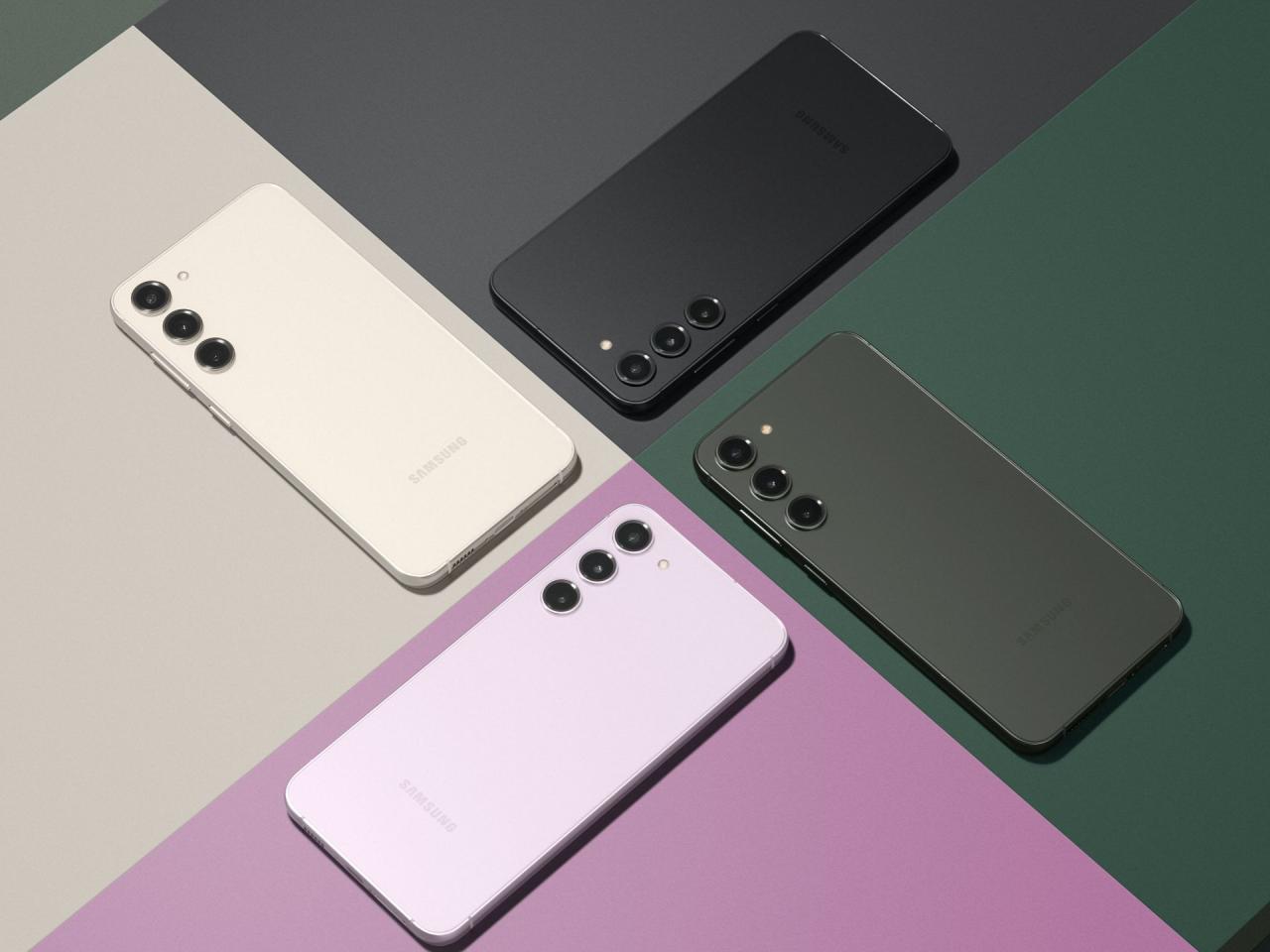
The Samsung Galaxy S II has garnered a sizable community of users who have shared diverse experiences and feedback since its release. This section delves into the testimonials, common issues faced, and the accessories that can enhance the overall user experience with this smartphone.
User Testimonials and Reviews
Many users have praised the Samsung Galaxy S II for its impressive performance, vibrant display, and user-friendly interface. Users frequently highlight the fluidity of the TouchWiz interface, which enhances app navigation and multitasking capabilities. One user stated,
“The speed and responsiveness of the S II are unmatched—it’s like having a mini-computer in my pocket!”
The camera quality has also received favorable remarks, with users appreciating its fast shutter speed and low-light performance. A user shared,
“I love capturing moments with my Galaxy S II. The photos are clear and vivid, even in dim lighting!”
This sentiment is echoed by many who enjoy the device for social media photography.
However, not all feedback is positive. Some users have reported issues with battery life, especially after heavy usage throughout the day. As one user noted,
“It’s a fantastic phone, but I find myself charging it more often than I’d like.”
Recognizing this, several solutions have been proposed within the user community.
Common Issues and Solutions
While the Galaxy S II is celebrated for its features, users have encountered some common challenges. Among the notable issues are battery drainage, software bugs, and the occasional lag in performance during heavy multitasking or gaming.
To address battery concerns, users have recommended certain strategies:
- Utilizing battery-saving modes available in the settings.
- Avoiding background apps running unnecessarily.
- Investing in a high-capacity battery or external power banks for extended usage.
Software bugs have been mitigated through periodic updates from Samsung, which users are encouraged to install promptly. Users have reported improvements in performance and stability after these updates, leading to a smoother experience overall.
Recommended Accessories
Enhancing the user experience with the Samsung Galaxy S II can be greatly achieved through various accessories. Below are some recommended items that users find beneficial:
- Screen Protectors: Essential for preventing scratches and cracks on the stunning display.
- Protective Cases: A wide range of cases exists that provide grip and shock absorption, ensuring durability.
- Extra Battery Packs: Perfect for users who are frequently on the go and need additional power.
- Headphones: Quality headphones can elevate the experience of listening to music, making it more immersive.
- Car Mounts: These allow for safe navigation while driving, keeping the device easily accessible.
These accessories not only enhance the functionality of the Galaxy S II but also cater to the needs and preferences of a diverse user base, ensuring that each user maximizes their experience with the device.
FAQ
What was the release date of the Samsung Galaxy S II?
The Samsung Galaxy S II was released in April 2011.
What operating system did the Samsung Galaxy S II originally run?
It originally ran on Android 2.3 Gingerbread, with the ability to upgrade to later versions.
How much RAM did the Samsung Galaxy S II have?
The device was equipped with 1GB of RAM.
Can the Samsung Galaxy S II support expandable storage?
Yes, it supports a microSD card for expandable storage up to 32GB.
What are some common issues faced by users of the Samsung Galaxy S II?
Common issues included battery drain and occasional software lag, which users often addressed by optimizing settings and performing updates.
The Samsung Galaxy Note10 stands out with its sleek design and powerful performance, making it a favorite among tech enthusiasts. This device not only offers an impressive camera system but also features an S Pen that enhances productivity, truly setting it apart in the smartphone market.
For those who appreciate a classic, the Galaxy S 6 remains a significant milestone in Samsung’s smartphone evolution. Its elegant design and top-notch display quality were revolutionary at the time, offering a user experience that laid the groundwork for future flagship models.