samsung note7 takes center stage as one of the most discussed smartphones in history, captivating both enthusiasts and critics alike. Launched with cutting-edge features and advanced technology, the Note7 aimed to redefine the phablet experience, appealing to tech-savvy consumers eager for innovation. However, its journey was marred by serious safety concerns that soon overshadowed its impressive capabilities, leading to a series of events that would challenge Samsung’s reputation and reshape its strategy in the industry.
The Note7’s introduction was marked by a blend of excitement and ambition, showcasing features like an edge display and enhanced S Pen functionality. Its target demographic included professionals and creatives who sought a powerful device for productivity and entertainment. Yet, as the narrative unfolded, the allure of the Note7 would be dramatically juxtaposed with the controversies that erupted, forcing the company into damage control mode and altering the course of its brand legacy.
Overview of Samsung Note7
The Samsung Note7, launched in August 2016, marked a significant entry in the phablet market, promising innovation and premium features. With its sleek design and advanced functionalities, it was positioned as a flagship device that catered not only to tech enthusiasts but also to professionals seeking productivity on-the-go.
The Samsung Note7 featured a 5.7-inch QHD Super AMOLED display, offering vibrant colors and stunning clarity. Powered by either the Exynos 8890 or Snapdragon 820 processors, it provided top-tier performance. The device came equipped with 4GB of RAM and options of 64GB of internal storage, expandable via microSD. Additionally, the Note7 introduced the dual-edge curved display that enhanced its aesthetics and user experience. Its S Pen stylus saw enhancements, allowing users to write, draw, and interact with the screen more intuitively. The device was also water and dust resistant, a first for the Note series, further elevating its usability in various environments.
Technological Advancements of Samsung Note7
The Samsung Note7 brought forward several technological advancements that set it apart from its predecessors. Notable features included:
- Enhanced S Pen: The S Pen was improved with finer tips and pressure sensitivity, allowing for more precision in writing and drawing, and introduced features like screen-off memo and improved Air Command capabilities.
- Security Features: It integrated iris recognition technology, providing users with an additional layer of security for unlocking the device and securing sensitive information, a feature that was groundbreaking at the time.
- Camera Technology: The Note7 featured a 12MP rear camera with Dual Pixel technology, ensuring faster autofocus and superior low-light performance, appealing to photography enthusiasts.
- Battery Life and Charging: It supported fast charging and wireless charging options, although the battery became a significant concern due to safety issues that led to recalls.
Target Audience and Market Positioning
Samsung strategically positioned the Note7 to appeal to a diverse target audience. The device was aimed at professionals, creatives, and tech-savvy consumers who required a powerful device for multitasking and productivity.
The Note7’s premium pricing reflected its high-end specifications and features, making it a strong competitor in the flagship smartphone market. The marketing campaign focused on the device’s versatility, emphasizing the enhanced S Pen capabilities, security features, and camera performance to attract users interested in productivity, creativity, and security.
Moreover, the Note7 was positioned as a lifestyle device, integrating seamlessly with Samsung’s ecosystem of products, including wearables and smart home devices. This created a holistic user experience, providing added value for consumers seeking a connected lifestyle.
“The Samsung Note7 was a bold step into the future of mobile technology, showcasing innovation intertwined with user experience.”
Controversies and Issues

The Samsung Note7 faced significant controversies primarily due to safety concerns related to its battery. The device, which was highly anticipated, became infamous following a series of incidents where the batteries overheated, caught fire, or even exploded. This unexpected turn of events raised serious questions regarding the quality assurance processes within Samsung and the overall safety of lithium-ion batteries in smartphones.
The company’s response to the battery explosion incidents was swift and multifaceted. Samsung initiated a global recall, which affected millions of devices. The recall process included offering users the option to exchange their Note7 units for a safe device or receive a full refund. Samsung also implemented a rigorous battery testing protocol to ensure that any replacement units were free from defects. Despite these efforts, the situation escalated when replacement devices also experienced overheating issues, leading Samsung to permanently discontinue the Note7 line.
Safety Concerns and Incidents
The safety issues surrounding the Samsung Note7 were not isolated, as they prompted widespread media coverage and scrutiny. Several notable incidents were reported globally, highlighting the severity of the problem:
- A user in South Korea reported that their Note7 exploded while charging, resulting in burns and damage to property.
- Multiple reports from the United States detailed incidents where devices ignited, causing panic and leading to emergency evacuations.
- Airlines issued warnings and restrictions regarding the transportation of Note7 devices, with some even banning them from flights altogether due to safety concerns.
These incidents underscored the critical need for enhanced safety measures in technology, particularly concerning high-capacity batteries.
Response and Mitigation Strategies
In response to the ongoing crisis, Samsung undertook significant steps to mitigate the fallout. The company released a public statement acknowledging the gravity of the situation and outlining their commitment to consumer safety. Key strategies included:
- Implementing a voluntary recall and working closely with regulatory authorities to facilitate a smooth exchange process.
- Introducing an extensive and systematic investigation into the root causes of the battery failures, which involved collaboration with external experts.
- Launching a new battery safety program, which encompassed an 8-point safety check that became a standard for their future devices.
These measures reflected Samsung’s dedication to regaining consumer trust after the backlash from the Note7 incidents.
Comparative Analysis with Similar Incidents
The Note7 controversy is not without precedent in the tech industry, where similar battery-related issues have prompted recalls and safety concerns. Notable comparisons include:
- The 2016 recall of certain LG phones due to battery malfunctions that caused overheating.
- Apple’s replacement program for the iPhone 6 Plus, which faced reports of devices swelling due to battery issues.
- Hoverboard recalls, where multiple brands faced lawsuits and scrutiny due to incidents of batteries catching fire during use or charging.
These instances illustrate a broader pattern within the industry, emphasizing the ongoing challenges manufacturers face in ensuring device safety.
“The Samsung Note7 incident served as a pivotal moment in the tech industry, reshaping how companies approach battery safety and user trust.”
Impact on Samsung’s Brand

The Note7 incident marked a significant turning point for Samsung, injecting a wave of controversy into the brand’s otherwise stellar reputation in the smartphone market. This crisis not only exposed vulnerabilities within Samsung’s product development and safety protocols but also raised questions about its commitment to consumer safety and quality assurance. The repercussions were felt across various dimensions of its brand equity, influencing consumer perceptions and market positioning.
The Note7 recalls had a multifaceted impact on Samsung’s reputation. Initially, the brand enjoyed a strong market presence, driven by innovation and consumer loyalty. However, the battery failures, leading to fires and explosions, caused a dramatic shift in public perception. Samsung faced intense scrutiny from media outlets, regulatory bodies, and consumers alike, which resulted in a substantial decline in customer trust.
Rebuilding Trust with Consumers
In the aftermath of the Note7 recalls, Samsung implemented several strategies to regain consumer confidence. These initiatives focused on transparency, communication, and improved safety measures. Key actions taken included:
- Open Communication: Samsung prioritized transparent communication with stakeholders, including customers, regulatory authorities, and the media. This included regular updates on the investigation and recall process.
- Enhanced Quality Control: The company overhauled its quality assurance processes, introducing a new 8-point battery safety check to ensure the integrity of future devices.
- Consumer Compensation: Samsung offered generous compensation to affected customers, including refunds, exchanges for the Galaxy S8, and additional incentives, which helped to mend relationships with consumers.
- Revised Marketing Strategy: Samsung shifted its marketing focus towards highlighting the measures taken for safety and reliability in new models, reinforcing its commitment to quality.
- Community Engagement: The company engaged in community outreach and initiatives, fostering a positive brand image while showing accountability and empathy.
In a striking demonstration of resilience, Samsung’s ability to adapt post-crisis can be seen in the subsequent launch of the Galaxy S8, which garnered positive reviews and restored some consumer trust. The S8 benefited from the lessons learned during the Note7 fallout, showcasing Samsung’s commitment to safety and innovation.
“Samsung’s recovery from the Note7 incident serves as a case study in crisis management, illustrating the importance of transparency and consumer engagement in rebuilding brand trust.”
Legacy of Samsung Note7
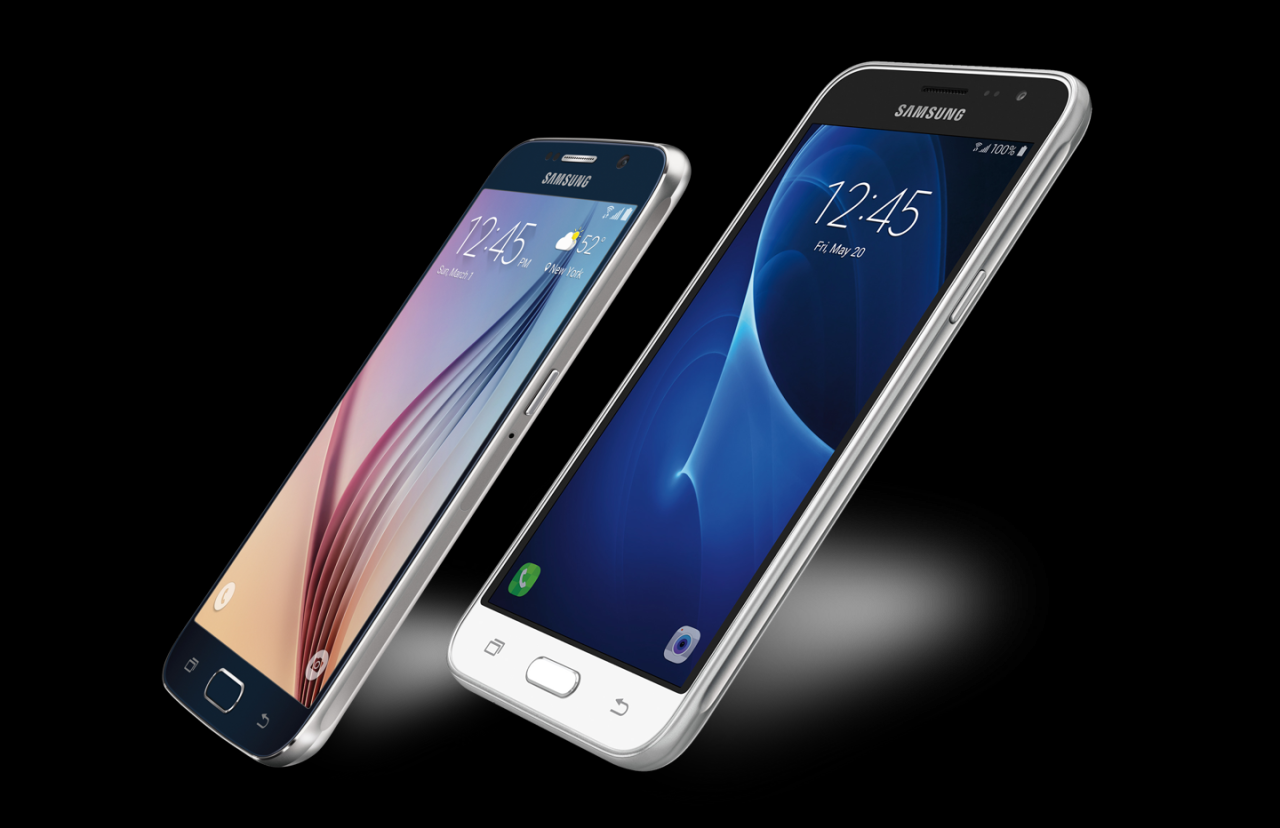
The Samsung Note7, despite its infamous recall and controversies, led to significant innovations and lessons for the smartphone industry. Its development process introduced new technologies and design philosophies that are still relevant today. The fallout from its issues also provided a crucial learning opportunity for future device designs, influencing how manufacturers approach safety and quality assurance.
One of the most notable innovations stemming from the Note7’s development was the introduction of the Infinity Display. This feature, characterized by a bezel-less design, allowed for an immersive viewing experience and set a new standard for smartphone aesthetics. The Note7 also pioneered advancements in battery technology and fast charging capabilities, which have become essential in modern smartphones.
Innovations Originating from Note7
The Note7’s ambition to push boundaries resulted in several key innovations that influenced subsequent smartphone designs. These advancements include:
- Infinity Display: The edge-to-edge screen design enhanced visual appeal and user experience.
- Improved S Pen Features: The Note7’s S Pen included upgraded features such as waterproofing and enhanced pressure sensitivity, leading to better usability for creative tasks.
- Biometric Security: The integration of iris recognition technology provided users with advanced security options beyond fingerprint sensors.
- Battery Technology Advances: The Note7 prompted a reevaluation of battery safety, leading to new materials and designs aimed at preventing overheating.
Lessons Learned for Future Smartphone Designs, Samsung note7
The Note7 incident emphasized the importance of rigorous testing and adherence to safety standards in smartphone production. Key takeaways from this experience include:
- Thorough Quality Assurance: The need for comprehensive testing protocols to identify potential safety risks before product launch.
- Design for Safety: Prioritizing the design of batteries and components to prevent failures and hazards.
- Transparency in Communication: The significance of clear communication with consumers regarding product risks and recalls, fostering trust and brand loyalty.
- Agile Response Strategies: Developing rapid response plans for product issues to minimize impact on consumers and brand reputation.
Timeline of Samsung Note7 Events
The timeline of the Note7’s lifecycle illustrates the rapid progression from launch to recall and aftermath, highlighting the key events that defined its legacy:
| Date | Event |
|---|---|
| August 2, 2016 | Launch of Samsung Galaxy Note7 with significant media coverage. |
| August 19, 2016 | Initial reports of battery issues arise as customers experience overheating. |
| September 1, 2016 | Samsung announces a voluntary recall, urging users to return their devices. |
| September 15, 2016 | Replacements are issued, but further incidents of overheating are reported. |
| October 11, 2016 | Samsung officially halts production of the Note7 and issues a complete recall. |
| December 2016 | Samsung develops a comprehensive battery safety program in response to the crisis. |
| 2017 onwards | The impact of the Note7 incident continues to influence Samsung’s product design and safety measures. |
FAQ Explained
What caused the battery issues in the samsung note7?
The battery issues were primarily due to manufacturing defects in the battery cells that led to overheating and, in some cases, explosions.
Was the samsung note7 recalled?
Yes, Samsung issued a global recall of the Note7 in 2016 following numerous reports of battery fires.
How did samsung respond to the note7 incidents?
Samsung implemented a comprehensive recall process, offered refunds, and made efforts to communicate transparently with consumers to regain their trust.
What innovations came from the samsung note7?
Innovations from the Note7 included advancements in stylus technology, edge display features, and enhanced security measures like iris scanning.
Is there a successor to the samsung note7?
While the Note7 was discontinued, the Note series continued with subsequent models, improving upon the design and safety features.
The Samsung S 10 stands as a testament to Samsung’s commitment to innovation, featuring a stunning display and powerful performance. With its versatile camera system, it captures stunning images, making it a favorite among tech enthusiasts. As you explore its functionalities, you’ll discover that this smartphone is designed to enhance your daily productivity and entertainment experience.
In addition to the S 10, the Samsung Galaxy Note10 takes things a step further with its unique S Pen integration. This device not only offers a larger screen but also enhances creative capabilities, allowing users to take notes and sketches effortlessly. For those who seek a powerful device that merges functionality with style, the Note10 is undoubtedly a top choice.